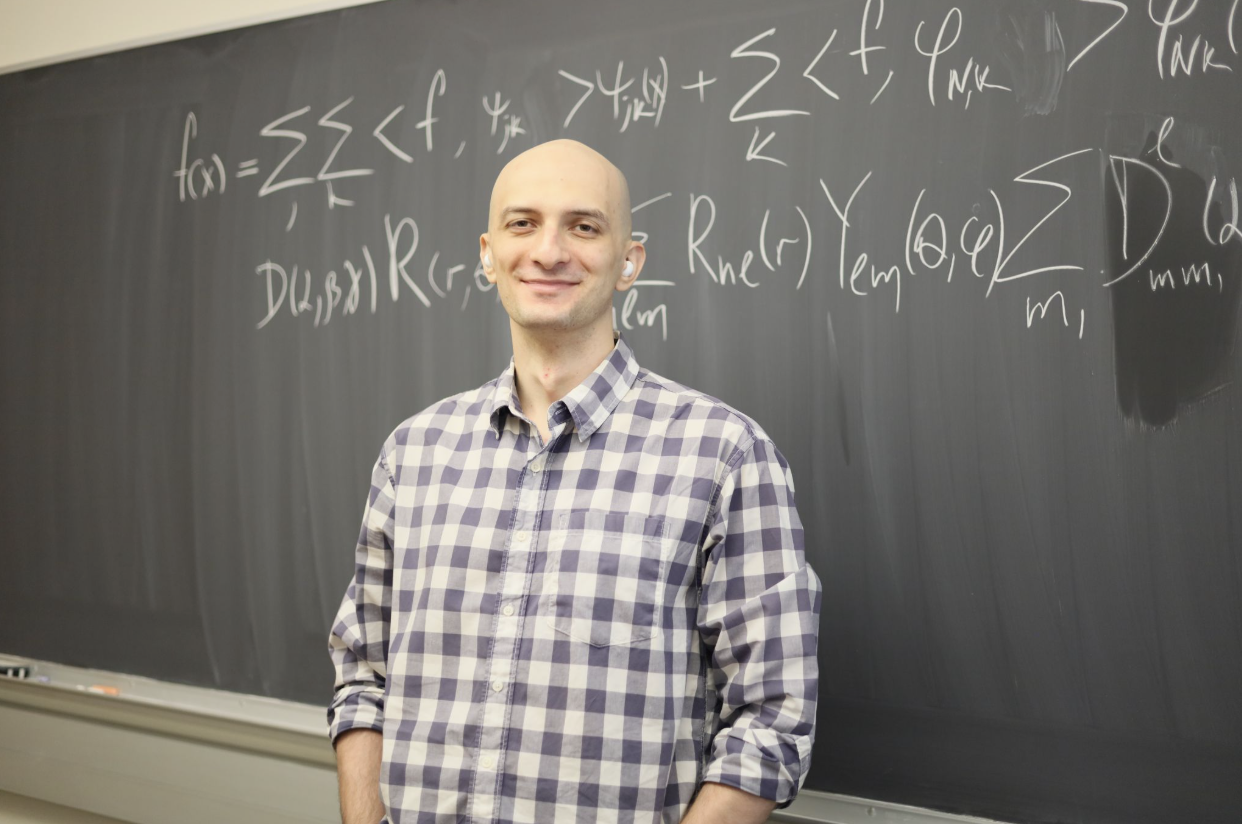
Latest Happenings at the Oden Institute
News
Sept. 27, 2026
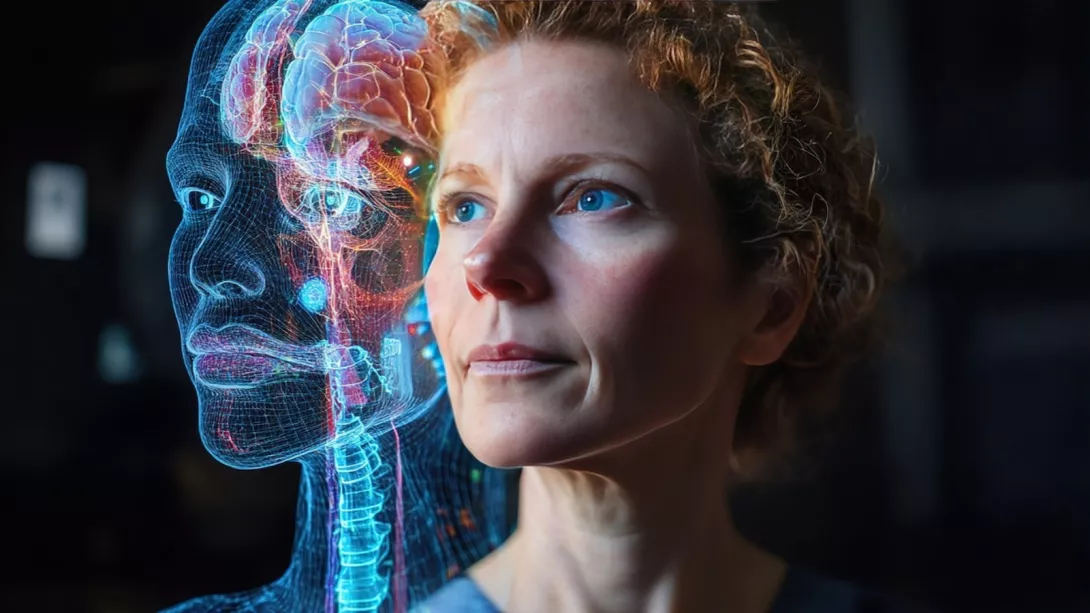
Pioneering the Future of Heart Health: Cardio AI Conference
UT Austin's Pediatric to Adult Cardio AI Conference: Digital Twins in December will bring together computational engineers, computer scientists, clinicians, and industry leaders to advance AI and digital twin technologies in cardiovascular care.
News
Sept. 19, 2026
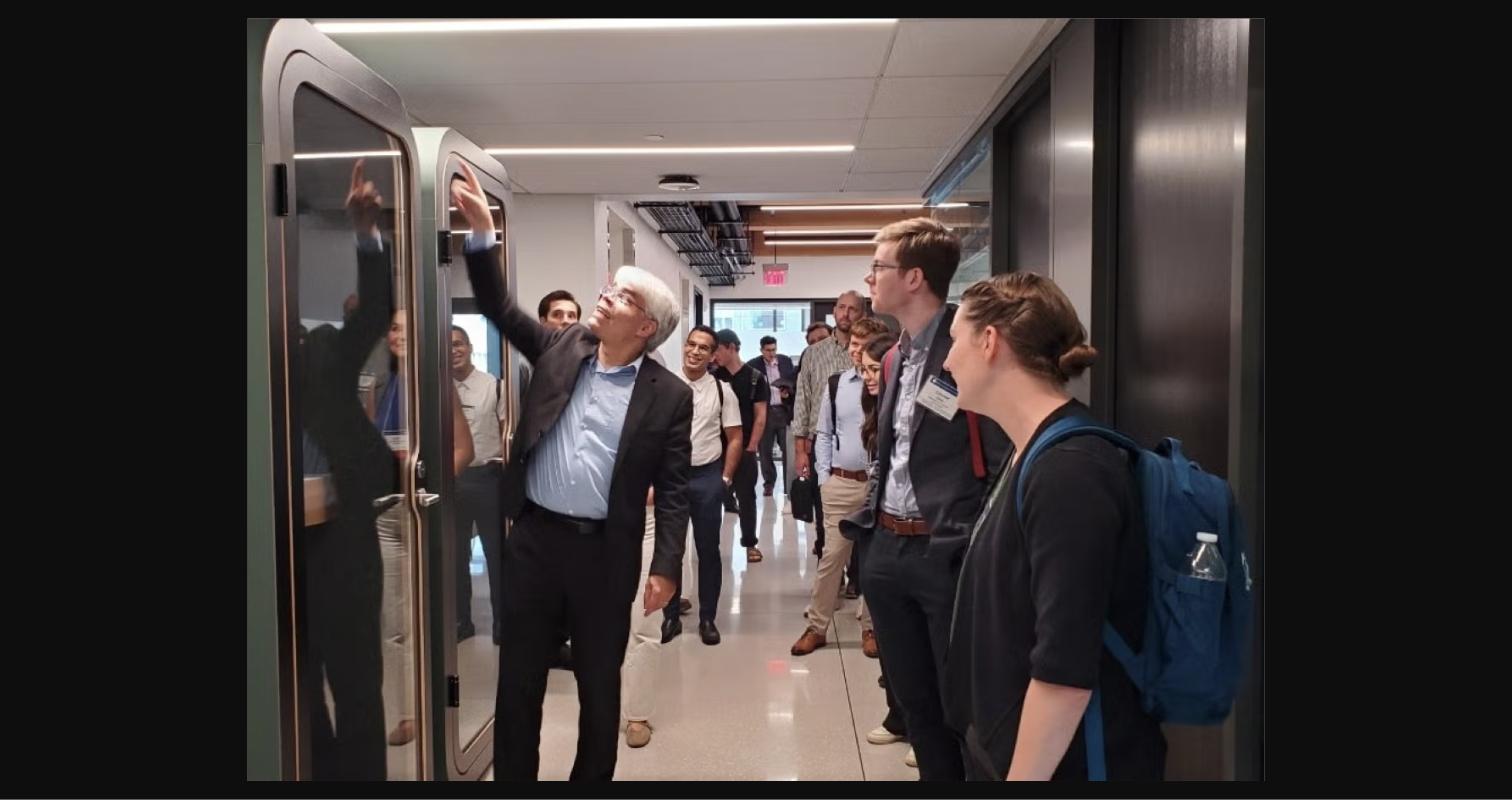
Best and Brightest Young Engineers Descend on Forty Acres
UT Austin is hosting the National Academy of Engineering's 31st Grainger Foundation Frontiers of Engineering Symposium, Sept. 21-24, held at the Oden Institite. More than 70 top early-career engineers from academia, government, and industry will be in attendance, including three Oden affiliated faculty.
News
Sept. 7, 2026
Fusion Energy Seed Grants Launch New Interdisciplinary Collaborations at UT Austin
Faculty at UT Austin have been awarded seed grants to unite fusion physicists, engineers and computational scientists while training graduate students for careers in fusion energy. The projects will develop faster, AI-assisted tools for plasma control, liquid-metal reactor materials, magnetic confinement and plasma-edge simulations.

Next Upcoming Event
Engineering Outcomes: From Medical Images to Predictive Biomechanical Digital Twins
Roger Assaker, Co-founder & CEO of MDsim
3:30 p.m.– 5 p.m.
Oct. 13, 2026
POB 6.304
Media Coverage
Sept. 30, 2026
TAMEST Profile: Charles “Charley” Taylor, Ph.D. (NAE), The University of Texas at Austin
Media Coverage
Sept. 18, 2026
AI Digital Twins Get Better and Better: Cancer in Crosshairs
In medscape
Profile
Sept. 17, 2026
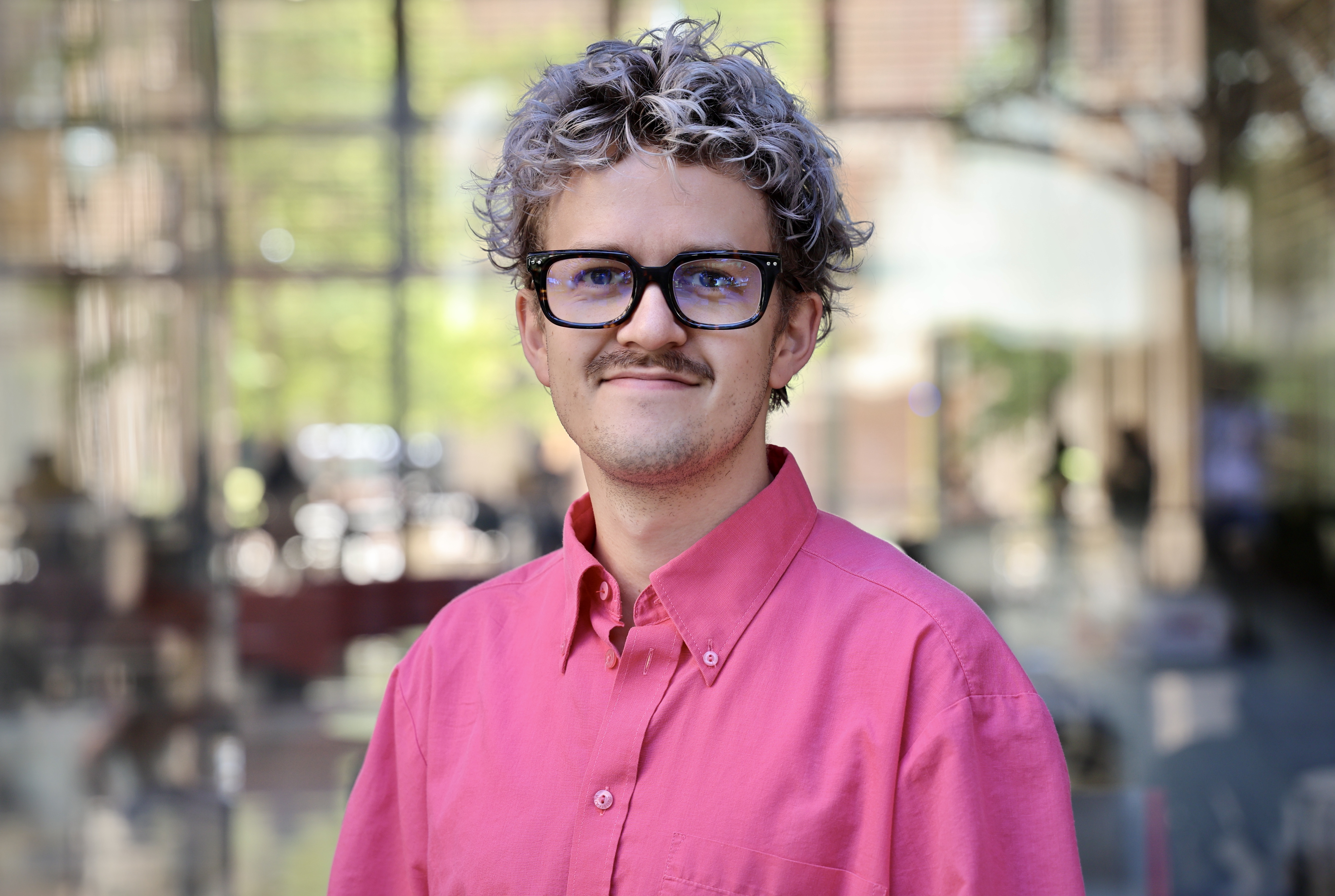
Finding Structure in the Noise - Profile Paul Beckman
Profile
Sept. 9, 2026
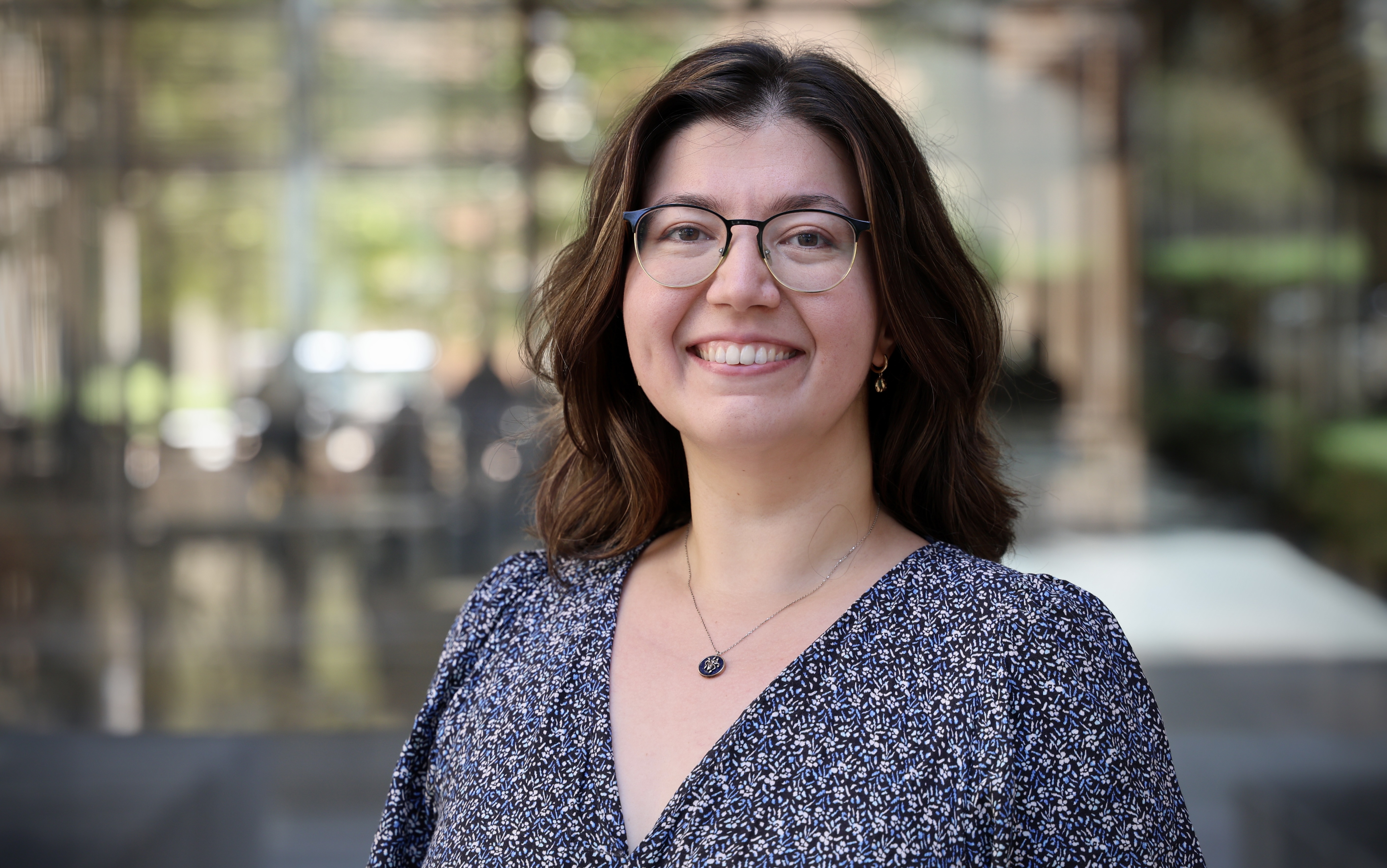
The Brain's Hidden Plumbing and the Math Behind It - Profile Derya Bakiler
Profile
Sept. 2, 2026

From the 911 Line to the Front Line of Research - Profile Katheryn Wisely
Feature
May 5, 2026
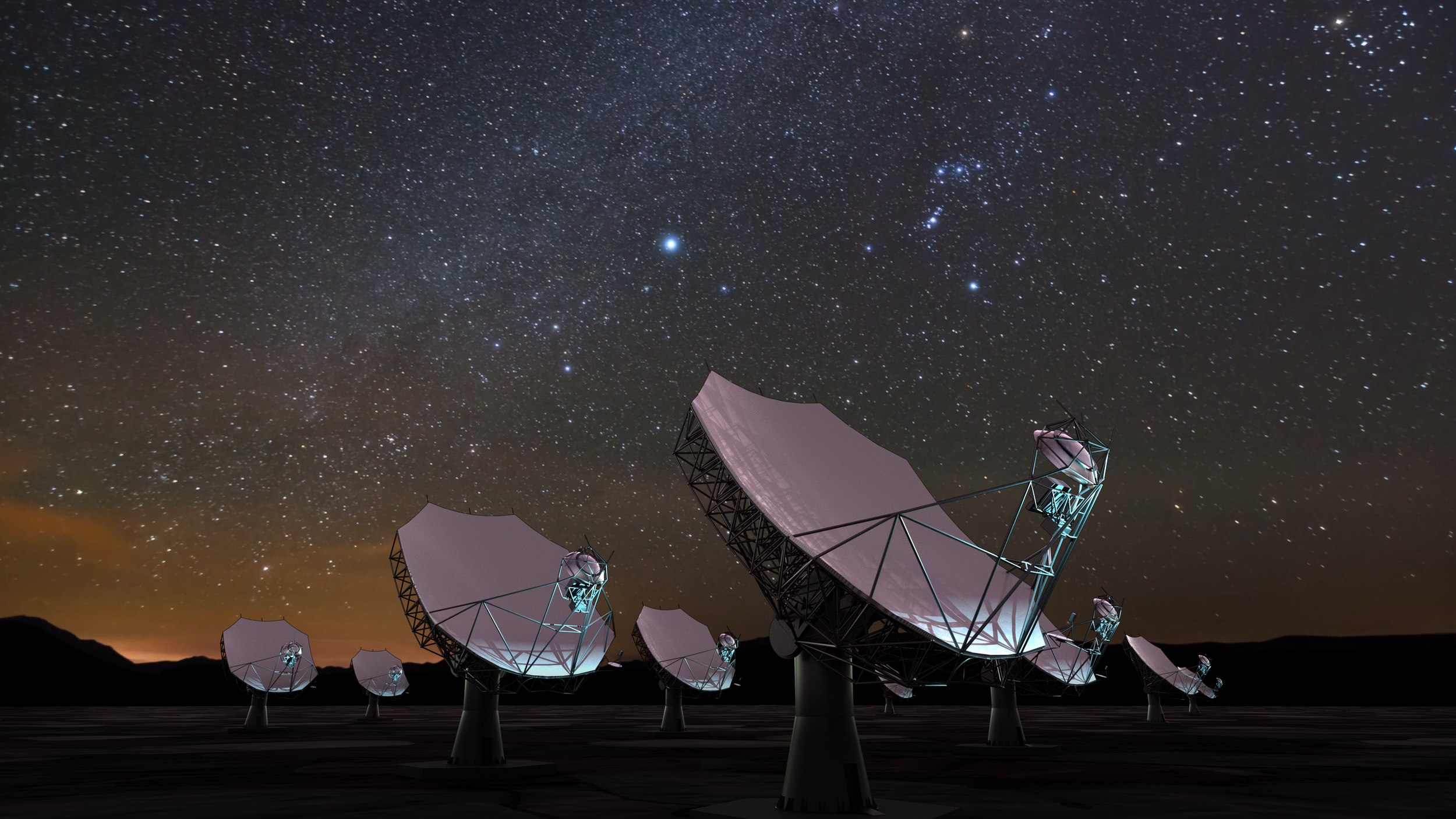
A Match Made in the Cosmos
The NSF-Simons AI Institute for Cosmic Origins (CosmicAI) cultivates the symbiotic relationship between Astronomy and AI. Astronomy gets shiny new tools to process its mountains of data, and AI gets a safe playground filled with exciting toys to improve its methods.
Feature
April 14, 2026
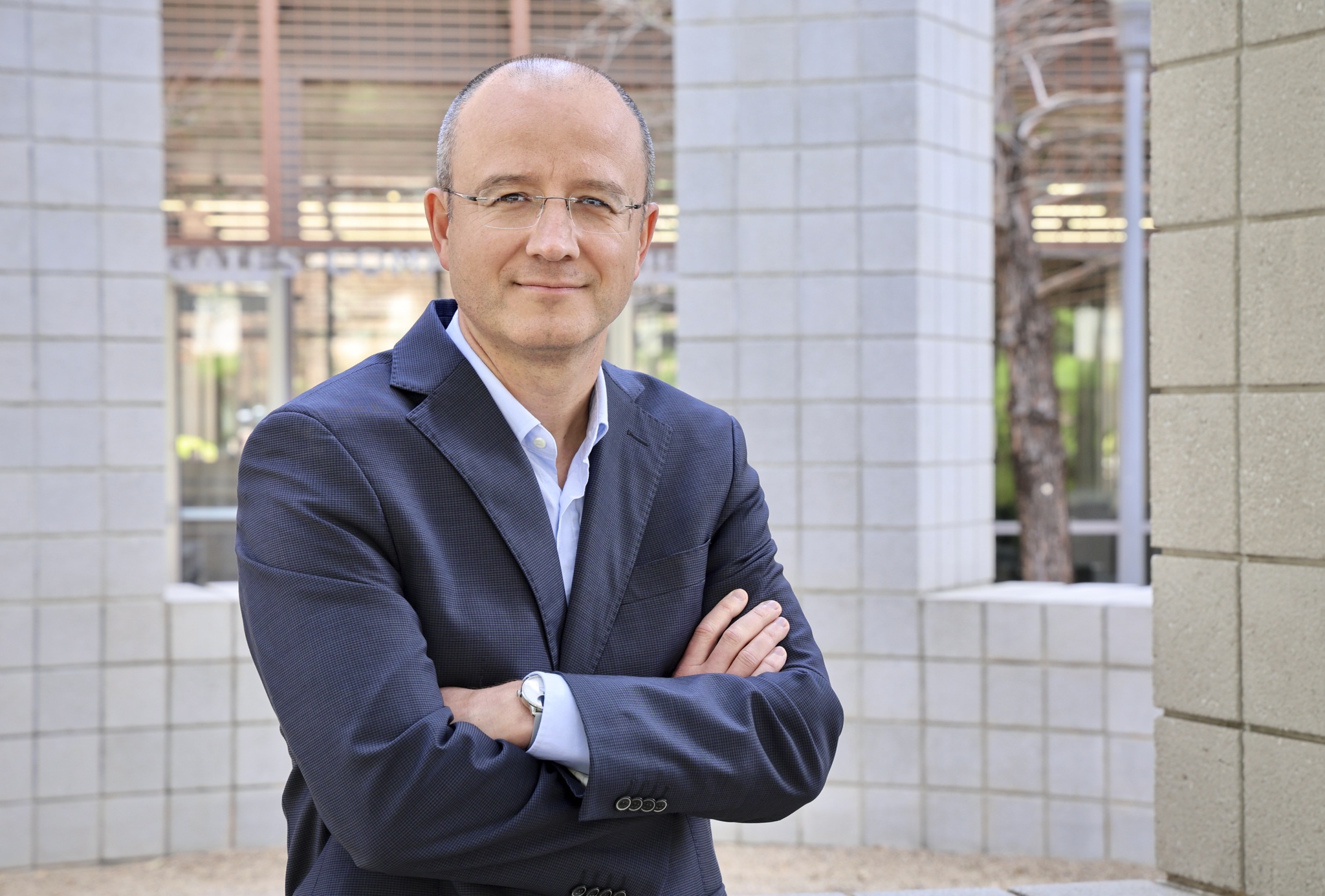
Ufuk Topcu on the Future of Trustworthy Autonomy
Ufuk Topcu leads the Center for Autonomy, which focuses on human interaction with AI and robotics, expanding community outreach and pioneering new concepts in safety, trustworthiness and accountability as autonomous systems evolve.
Feature
Feb. 27, 2026
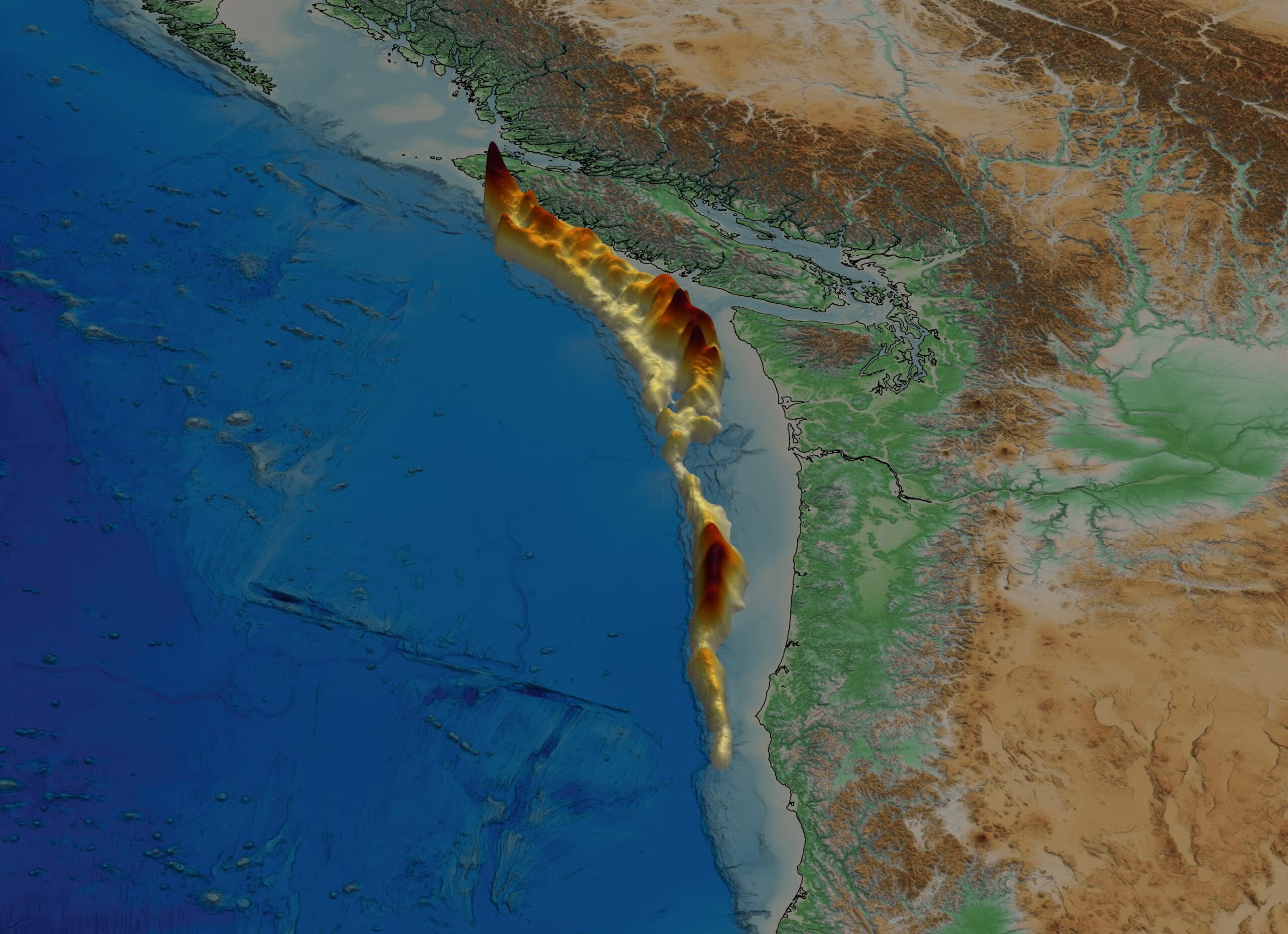
After a Decade of Pioneering Digital Twin Research, UT Emerges as a Global Leader in AI for Science
After more than a decade of advances in AI, mathematics and supercomputing, UT is shaping the future of digital twins — bringing together researchers across campus to deploy physics‑informed, AI‑powered models for energy, healthcare, national security and natural hazard mitigation.
News
Aug. 20, 2026
The Quest to Make Climate Models Faster, Smarter and More Accurate
In a recent paper a team of researchers, including Professor Patrick Heimbach and Ph.D. student Joseph Kump, introduced a new framework for simulating components of the Earth. To demonstrate the framework’s versatility, the team tested it on four different Earth component models including an idealized ocean model of the Drake Passage.

Profile
Aug. 12, 2026
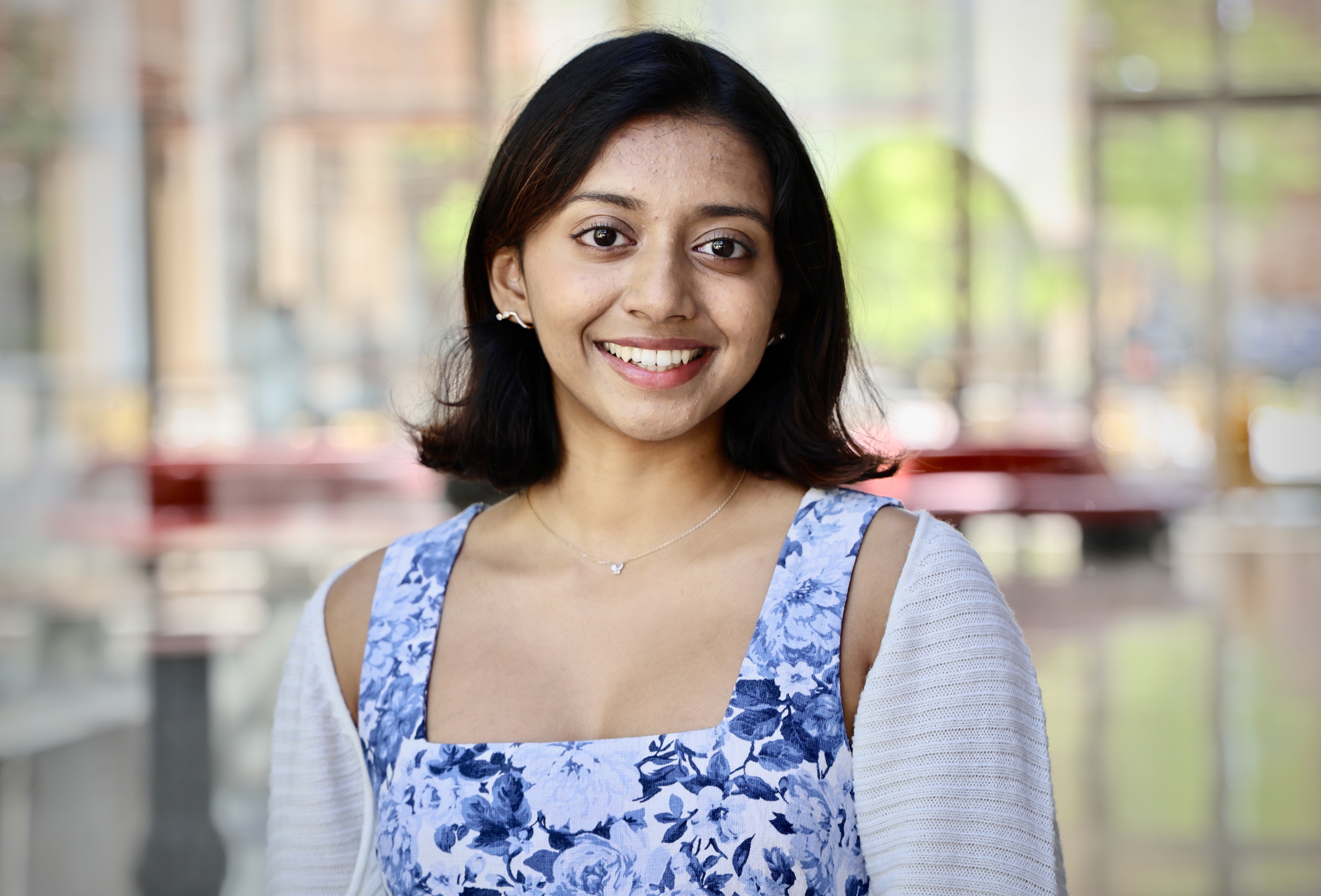
Finding the Space Between Medicine and Math - Profile Tarini Thiagarajan
Profile
June 24, 2026