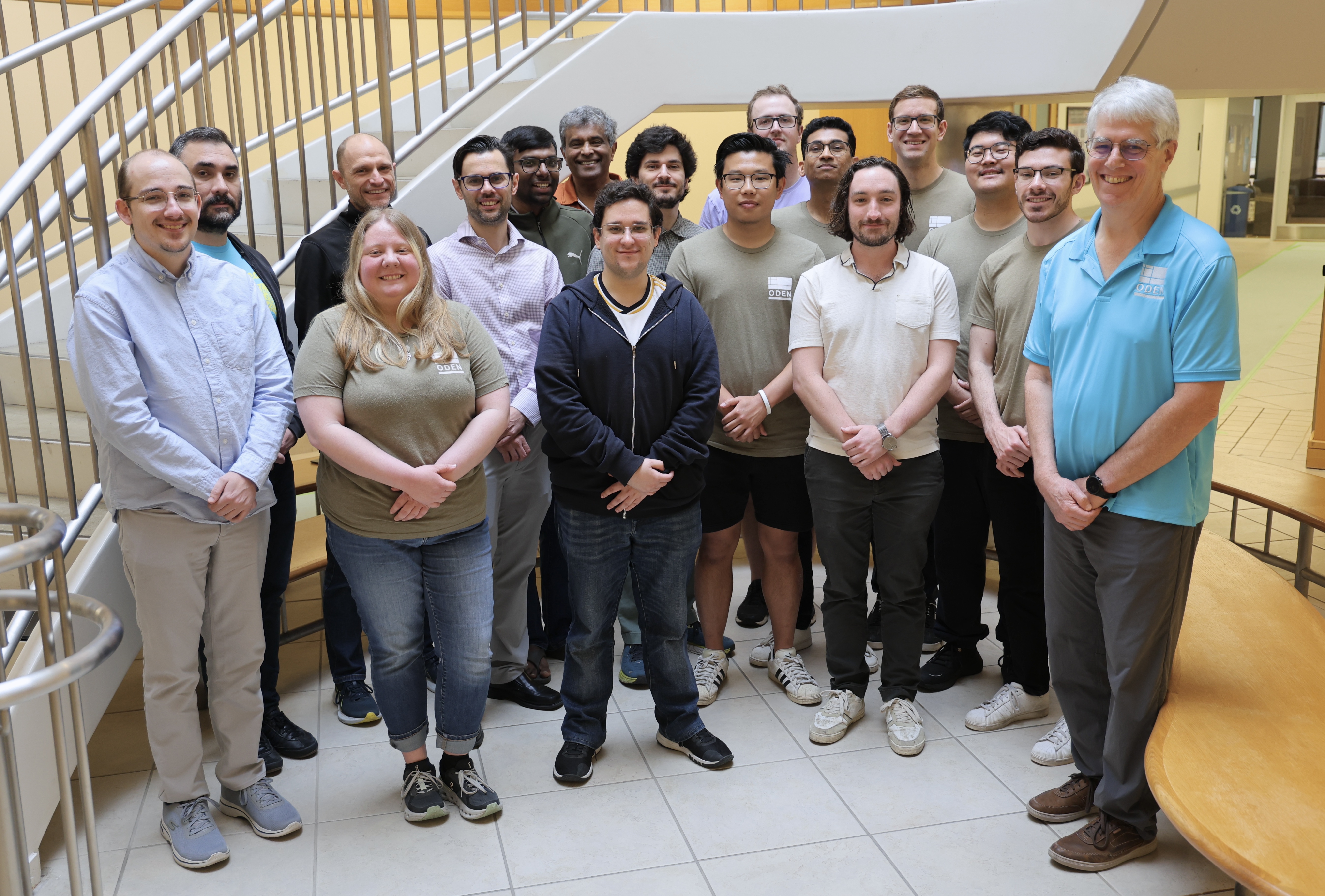
Predictive Engineering and Computational Sciences
The PECOS center pursues predictive computational simulations of complex physical systems, especially those involving fluid mechanics. To be predictive, simulations need to be based on well validated mathematical models, have well controlled numerical errors, and include quantified uncertainties. To enable predictive simulations, center researchers develop and implement mathematical models of physical phenomena and systems, formulate representations of uncertainties in such models, validate them and then use them to study the modeled phenomena and systems. Predictive modeling and simulation has been pursued for a variety of complex systems. Of particular in interest is turbulent fluid flows, for which models ranging in fidelity from the direct simulation of the Navier-Stokes equations to the Reynolds Averaged Navier-Stokes equations have been employed. Also of great current interest is predictive simulation of inductively coupled plasma torches.
Website
Directors
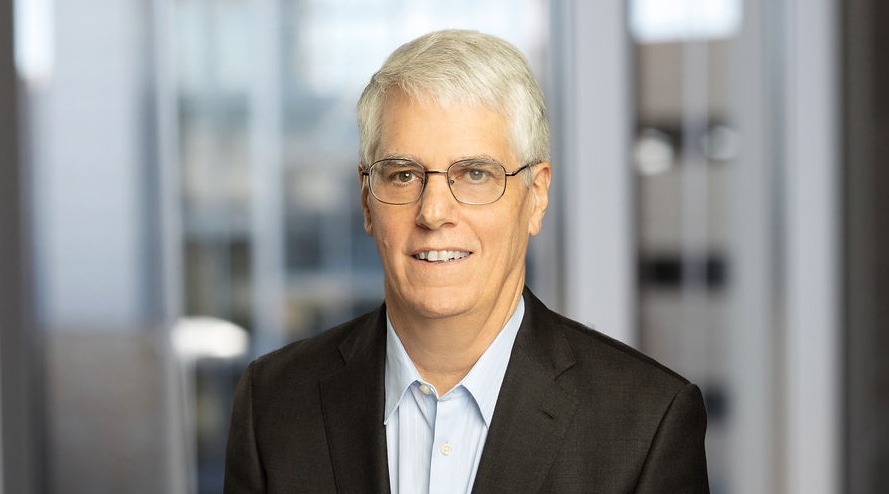
Robert Moser
Faculty and Research Staff
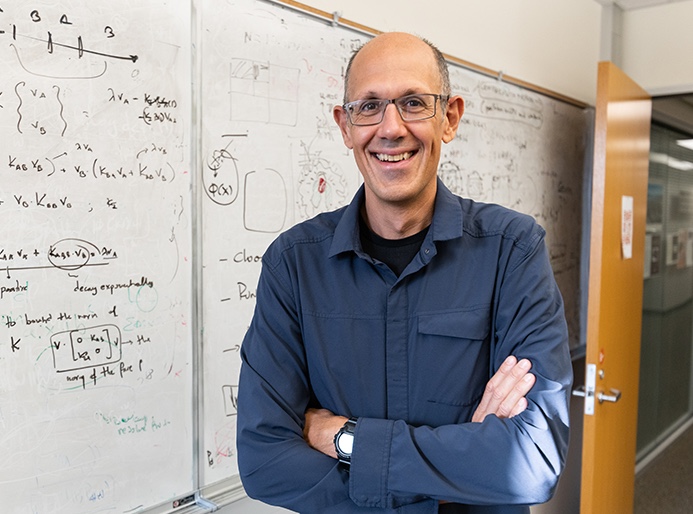
George Biros

Jesse Chan
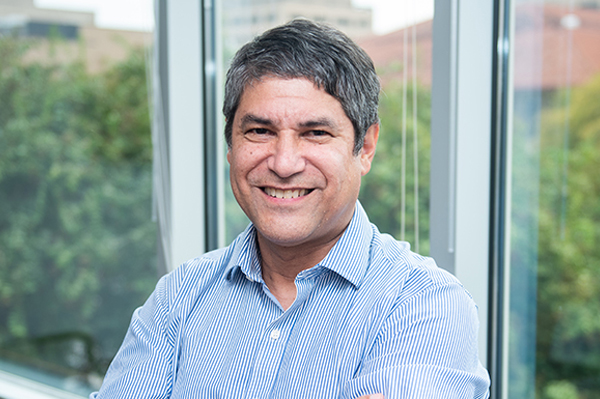
Noel Clemens
Mattan Erez

Omar Ghattas
Milos Gligoric
Keshav Pingali
Laxminarayan Raja

Philip Varghese
Karen E. Willcox
Postdocs

Students

Staff
Members outside the Oden Institute
Martin Burtscher, David Hatch, Chris Madden
News in brief
Profile
Sept. 2, 2026
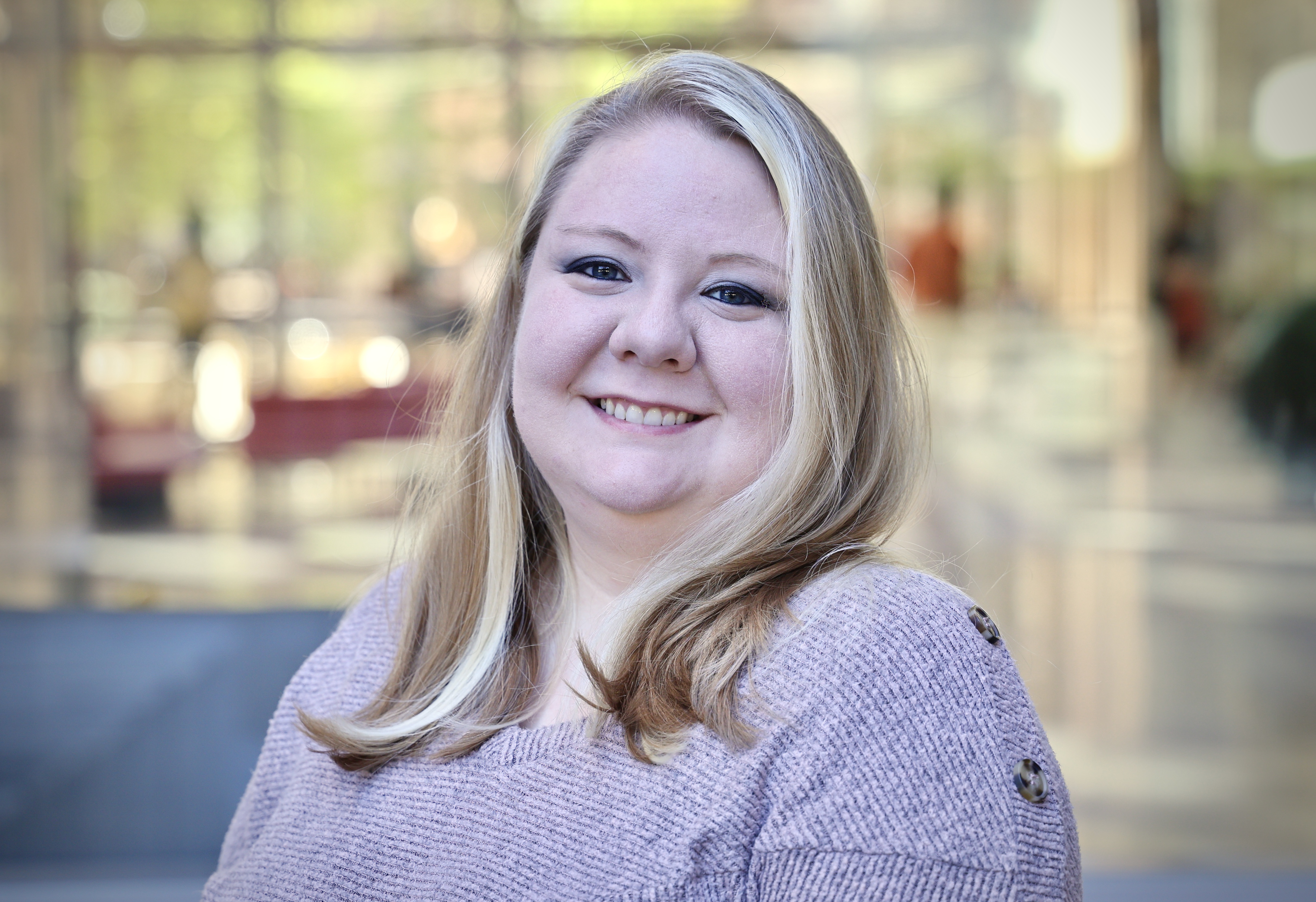
From the 911 Line to the Front Line of Research - Profile Katheryn Wisely
Katheryn’s career from 911 dispatch to research administration developed her skills in multitasking, prioritization, and decision-making under pressure. At the Oden Institute, she manages grants, budgets, schedules, and approvals to keep faculty research running smoothly.
Feature
Feb. 27, 2026
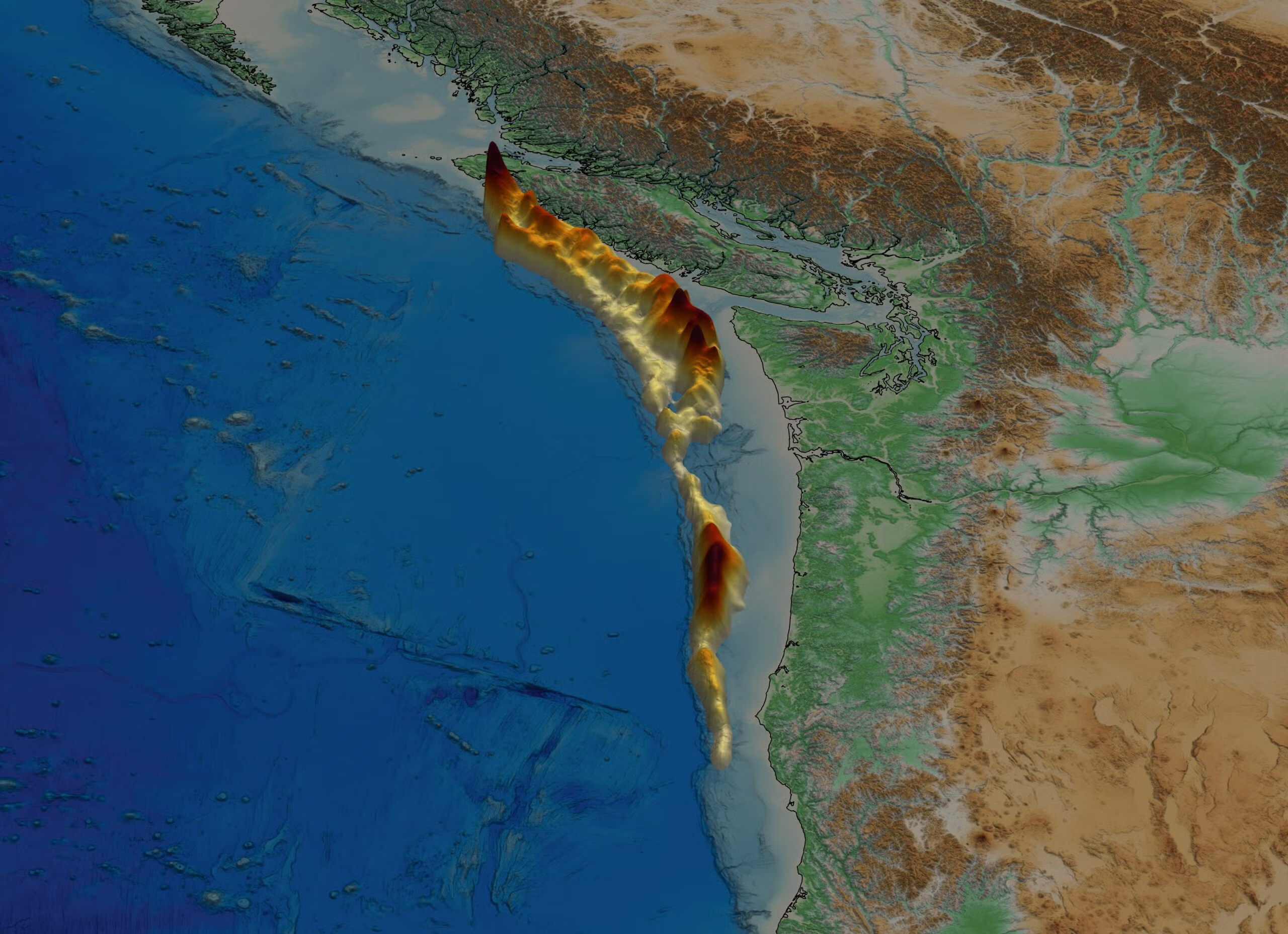
After a Decade of Pioneering Digital Twin Research, UT Emerges as a Global Leader in AI for Science
After more than a decade of advances in AI, mathematics and supercomputing, UT is shaping the future of digital twins — bringing together researchers across campus to deploy physics‑informed, AI‑powered models for energy, healthcare, national security and natural hazard mitigation.
Profile
March 19, 2025
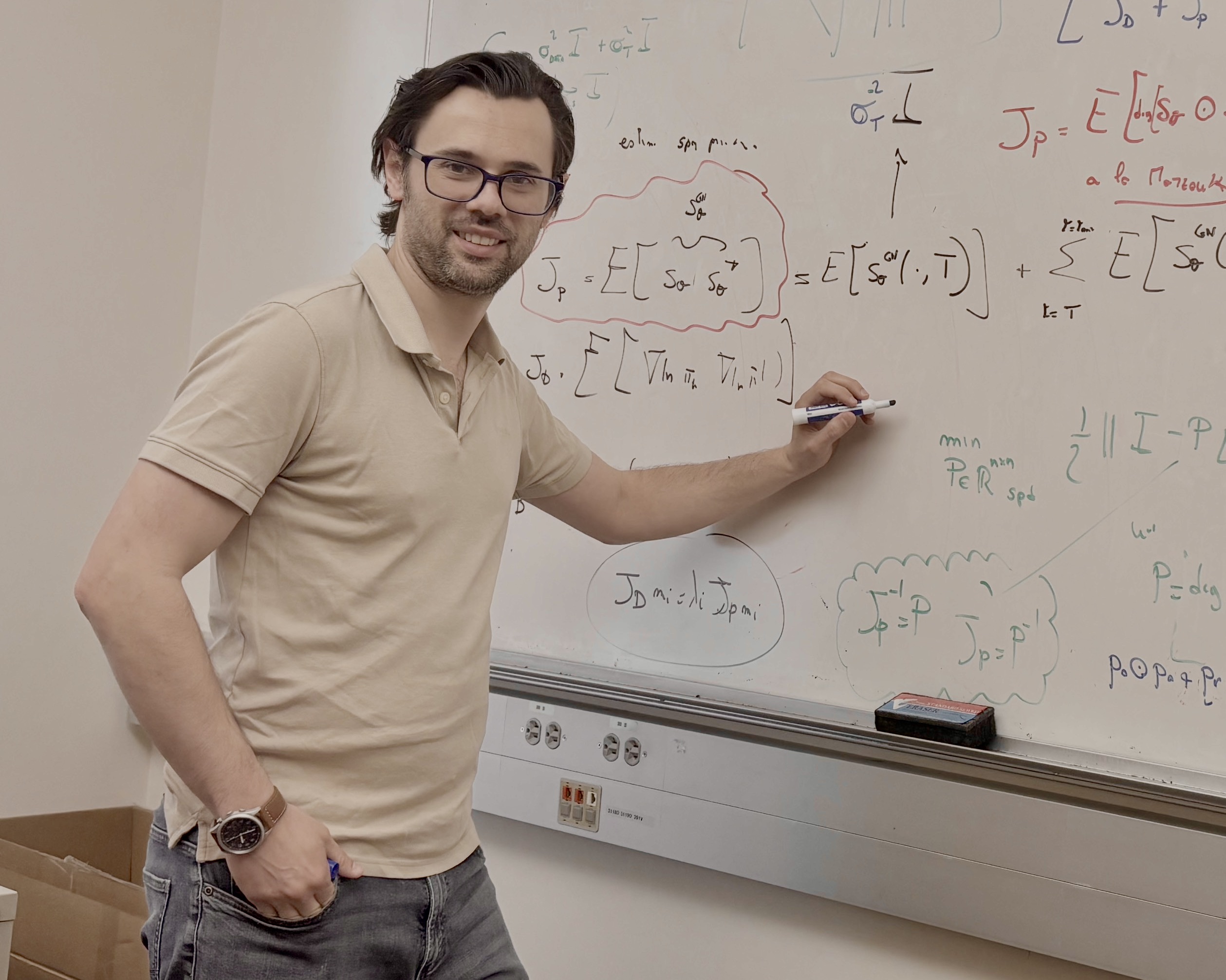
Computational Breakthroughs in Medical Imaging - Profile Umberto Villa
Umberto Villa, a Principal Faculty member at the Oden Institute, combines computational science, mathematics, and engineering to advance medical imaging and cancer diagnostics. Through virtual imaging trials and AI-driven research, he aims to revolutionize how medical devices are tested and improve patient care, all while fostering interdisciplinary collaboration in computational science.